
Weight Loss
- Follow us
-

-

-

The media is buzzing with stories about microdosing GLP-1 medications. There is still no standardized protocol for this method, and there are valid points on both sides of the table.
GLP-1 microdosing refers to taking fractional or reduced doses, or altering dosing frequency, of a medication, such as semaglutide (Ozempic, Wegovy) or tirzepatide (Mounjaro, Zepbound), outside of FDA-approved dosing schedules, and is widely described as off-label, experimental, or unauthorized.
Though driven by social media, cost concerns, side-effect management, and prior medication shortages, there is no established clinical guideline supporting microdosing.
Some people praise the idea of microdosing GLP-1 drugs, but many practitioners are hesitant. Dosing is patient-dependent, and as such, highly individualized. Is it even possible, then, for an efficacious universal “microdose” to actually exist?
What People (Including Doctors) Say About the Advantages
Much of the conversation around GLP-1 microdosing is happening outside traditional medical settings, with social media, podcasts, and patient forums sharing personal experiences and workarounds rather than standardized medical advice.
Some physicians have also weighed in, though not always in agreement. In news interviews, some doctors have expressed strong interest in the concept of microdosing, suggesting that using “half the starting dose” or extending dosing intervals may be enough to “modulate blood sugar” without needing full standard doses. Their perspectives reflect an inquisitive approach, where the goal is to produce more subtle metabolic effects.1
Public figure Bryan Johnson, a tech entrepreneur known for his longevity-focused lifestyle, reports that he uses GLP-1 medications despite being otherwise healthy. Known for his extreme concepts, he suggests that GLP-1 microdosing may have broader applications beyond weight loss, including metabolic and possibly neuroprotective effects, and has framed them as potential “longevity drugs.”1 (We were hard pressed to find a medical basis for his belief as a longevity drug, especially in otherwise healthy individuals, by the way. The broader discussion is rooted in obesity-related cardiometabolic risk profiles and the benefits seen in clinical studies of GLP-1 medications.)
Outside of high-profile voices, most of the enthusiasm comes directly from patients. For some users, the standard dosing is reported as “too much,” referring to intense, rapid weight loss, fatigue, or low energy. A consistent theme is that lower doses feel easier to tolerate. People frequently report fewer side effects, like nausea, less vomiting, and fewer gastrointestinal issues when taking smaller amounts. (This actually makes sense, since we start people out on lower doses in a clinical setting to improve tolerability during titration.) Appetite suppression is often described as a more gradual, “smoother” experience, where they can still eat normally, just less of it.
Many people say that if the medication feels less intense, they are more likely to stay on it: “If I tolerate it better, I’ll actually stick with it.” They’re less likely to have to stop due to side effects, and they can continue long-term, which they believe leads to better overall results.
Even though these seem to be reasonable assumptions about the drug, and there are accounts of people glowing about the benefits, they are still considered perceived or theoretical rather than established outcomes.
Moving toward research are clinical and academic discussions, though not in the form of formal guidelines, at least not yet. A modeling study has suggested there may be merit to the benefits circulating in the media, but findings have not been validated in large clinical trials.2 Academic discussions have also emerged with valid points regarding the potential for “click dosing” with multidose pens to make small adjustments, but these are still investigational ideas in the microdosing arena.3-4
What People (Including Doctors) Say About the Drawbacks
One of the most common criticisms is that microdosing simply won’t work as well. Across forums and patient discussions, people report slower or less significant weight loss and experiencing earlier plateaus. Bariatric surgeons and medical weight loss doctors have also spoken up.5-6 From a clinical standpoint, a plausible concern exists that lowering the dose or extending dosing intervals could reduce the overall therapeutic effect. Uncertainty also surrounds how reduced dosing could affect blood sugar control.
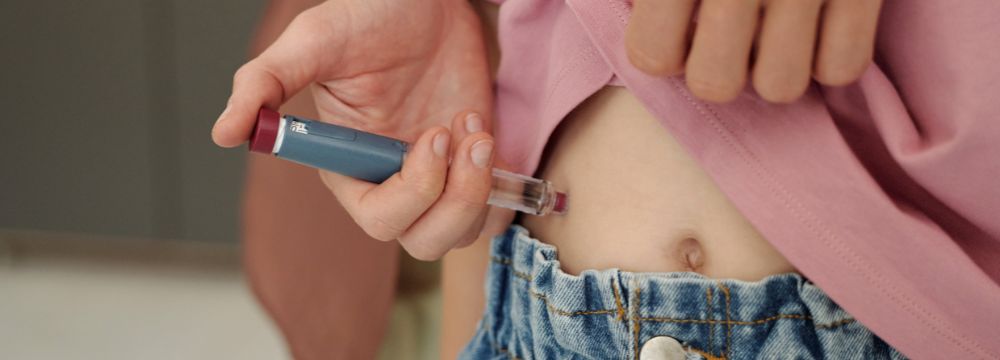
Dosing confusion for patients is also top of mind for some practitioners. Many GLP-1 medications are delivered through prefilled pens, and some users attempt to “microdose” by counting clicks or estimating partial doses. This opens the door to miscounting, inconsistent dosing schedules, and accidental under- or overdosing, as well as a practical safety concern when patients are doing this on their own.
Safety takes another turn when compounded or non-standard formulations are involved. Unless it is a trusted, finely-tuned, well-vetted establishment, compounded products may have inconsistent potency, lack sterility, or contain unknown additives. As of April 2026, the FDA has issued specific guidance and enforcement policies regarding compounded
GLP-1 medications, particularly regarding quality and supply conditions.7
GLP-1 medications, as we know them, were studied in large clinical trials using standardized dosing schedules, and deviating from those protocols steps outside of the evidence base behind their safety and effectiveness. The modeling study mentioned above also describes its limitations, suggesting that altering the standard dosing frequency alters how the drug behaves in the body, and that less frequent dosing can weaken results: drug levels taper off, and consistency is lost. Even if some effects linger, microdosing with a less frequent injection regimen could reduce efficacy (the capacity of an intervention to perform optimally).
Microdosing, not always, but most of the time, happens outside of a structured treatment plan. There is no standardized protocol, and no established evidence-based guidance for how to do it safely or effectively. People doing this on their own are relying on anecdotal evidence. As a result, individuals may be making dosing decisions without a full understanding of how these medications work or how their bodies are responding. GLP-1 therapies are intended as long-term metabolic treatments, not flexible or “as-needed” tools. There is also the possibility that patients who spread out doses may fail to reach expected weight loss goals and still experience side effects such as nausea and vomiting. Everyone reacts differently.
Speaking of tolerance, there is also dialogue circulating about cost tolerance. GLP-1 medications can be expensive, especially without insurance coverage. By taking smaller doses, some users try to stretch their supply, making a single prescription last longer. While using less medication may reduce short-term costs, it may also reduce effectiveness, creating a “false economy.” Some users report needing to restart and gradually work up to higher doses after not achieving their goals with microdosing, which can offset any initial savings.
Should You Do It?
Not on your own.
First of all, there is no protocol for microdosing. Second of all, there is no robust clinical research to guide a standardized protocol. What we have is patient experience, a few “health platforms,” and exploratory clinical modeling describing the benefits. There are reasonable arguments on either side, and the decision to take any weight loss medication, regardless of microdosing or not, requires the oversight of a qualified health practitioner.
That takes us to our next point. Everyone experiences these drugs differently, so a “microdose” for one person may be the correct dose for another, or possibly have no effect at all. The dosing guidelines we have are based on FDA schedules that have been studied in controlled trials in order to balance the lowest dose with the highest efficacy and tolerability.
Under medical guidance, doses are titrated, and injecting yourself while guessing at the dosage can actually confuse your system, reduce effectiveness, and lead to unpredictable side effects. When starting a GLP-1 medication, the general rule is to “start low, go slow,” and to stick with the lowest effective dose. That is not the equivalent of microdosing, and the lowest effective dose depends on the individual. Medications are not something to play or experiment with on yourself.
If you are curious about using weight loss medications, talk to your doctor. You can even talk to several doctors to get multiple opinions, but whatever you do, do not try to do this on your own. These medications mimic the naturally occurring GLP-1 hormone that regulates insulin secretion, appetite suppression, gastric emptying, and satiety signaling, and indirectly affects other hormones in your body. They require individualized care and oversight.
If you’re interested in exploring GLP-1 medications, contact the team at MIIS Wellness Institute; this is what we do!
- Stabile, A. (2026, April 1). Should you microdose Ozempic? Experts are split on risks vs benefits. Fox News. https://www.foxnews.com/health/should-you-microdose-ozempic-experts-split-risks-vs-benefits.
- Cengiz, A., Wu, C. C., & Lawley, S. D. (2025). Alternative dosing regimens of GLP-1 receptor agonists may reduce costs and maintain weight loss efficacy. Diabetes, obesity & metabolism, 27(4), 2251–2258. https://doi.org/10.1111/dom.16229.
- Komé, A. M., Chandran, M. M., Tungate Lopez, S. S., Buse, J. B., & Klein, K. R. (2025). One Size Does Not Fit All: Understanding Microdosing Semaglutide for Diabetes in Multidose Pens. Diabetes care, 48(3), e25–e27. https://doi.org/10.2337/dc24-2575.
- Tejera-Pérez C. (2025). Comment on Komé et al. One Size Does Not Fit All: Understanding Microdosing Semaglutide for Diabetes in Multidose Pens. Diabetes care, 48(7), e93. https://doi.org/10.2337/dc25-0566.
- Stabile, A. (2026, April 1). Should you microdose Ozempic? Experts are split on risks vs benefits. Fox News. https://www.foxnews.com/health/should-you-microdose-ozempic-experts-split-risks-vs-benefits.
- Pelc, C. (2025, August 12). GLP-1 microdosing for weight loss: Experts weigh the pros and cons. Medicalnewstoday.com; Medical News Today. https://www.medicalnewstoday.com/articles/glp-1-microdosing-for-weight-loss-experts-weigh-the-pros-and-cons#Is-GLP-1-microdosing-right-for-me.
- U.S. Food and Drug Administration. (2026, April 1). FDA clarifies policies for compounders as national GLP-1 supply begins to stabilize. U.S. Food and Drug Administration. https://www.fda.gov/drugs/drug-alerts-and-statements/fda-clarifies-policies-compounders-national-glp-1-supply-begins-stabilize.
Related Articles
See more Articles